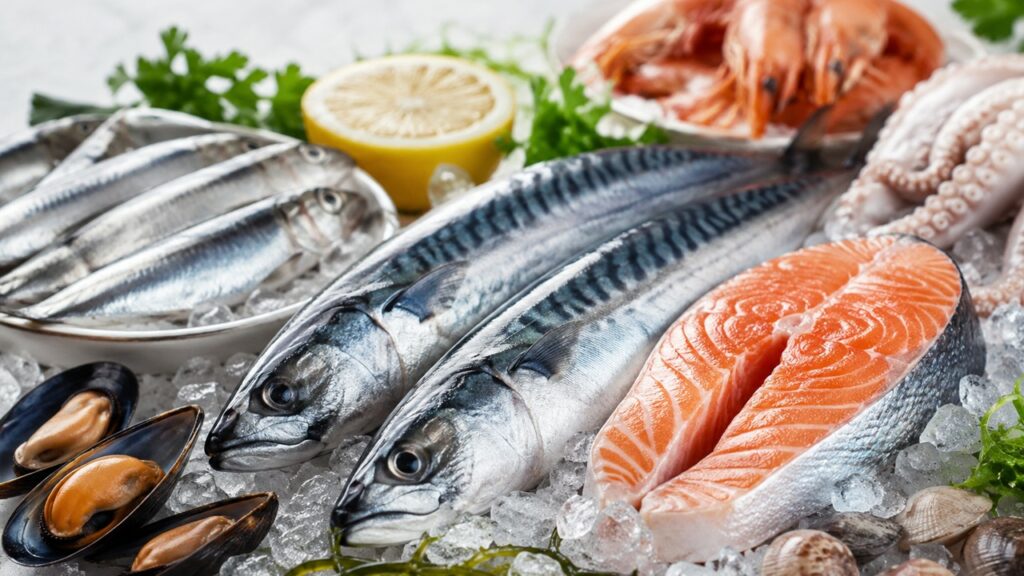
Did you know that seafood is one of the main natural sources of EPA and DHA, the long-chain omega-3 fatty acids?
When talking about healthy diets, consumers often focus first on protein. However, seafood offers much more: they are nutrient-dense foods and a natural source of essential nutrients such as vitamin B12, selenium, iodine, vitamin D and zinc, which contribute to the maintenance of body´s normal functions, including energy metabolism, immune activity, the nervous system, and neurocognitive health.
Oily fish, such as sardines or mackerel, are particularly rich in EPA and DHA. According to EFSA, a daily intake of 250 mg of EPA+DHA contributes to the normal function of the heart.
But today, consumers are looking for more than nutritional quality. They also want to know:
- Where their seafood comes from;
- How it was caught or farmed;
- What environmental impacts are associated with its production;
- And whether the information provided along the value chain can be trusted.
At Smart4Sea, we are working to improve environmental traceability across seafood value chains through digital tools and data-driven solutions.
Connecting sustainability, transparency and nutritional value is key to strengthening consumer confidence and supporting a more resilient, competitive, and responsible seafood sector.
When choosing seafood, what information matters most to you: nutritional value, sustainability, origin, price or taste?