The SMART4SEA project participated in the 15th International Conference on Life Cycle Assessment of Food (LCAFOOD 2026), held from 12 to 15 October in Montreal, Canada. Organised by CIRAIG and Polytechnique Montréal, the conference brought together researchers, industry representatives and sustainability professionals from around the world to share scientific advances and explore innovative approaches to improving the sustainability of food systems.
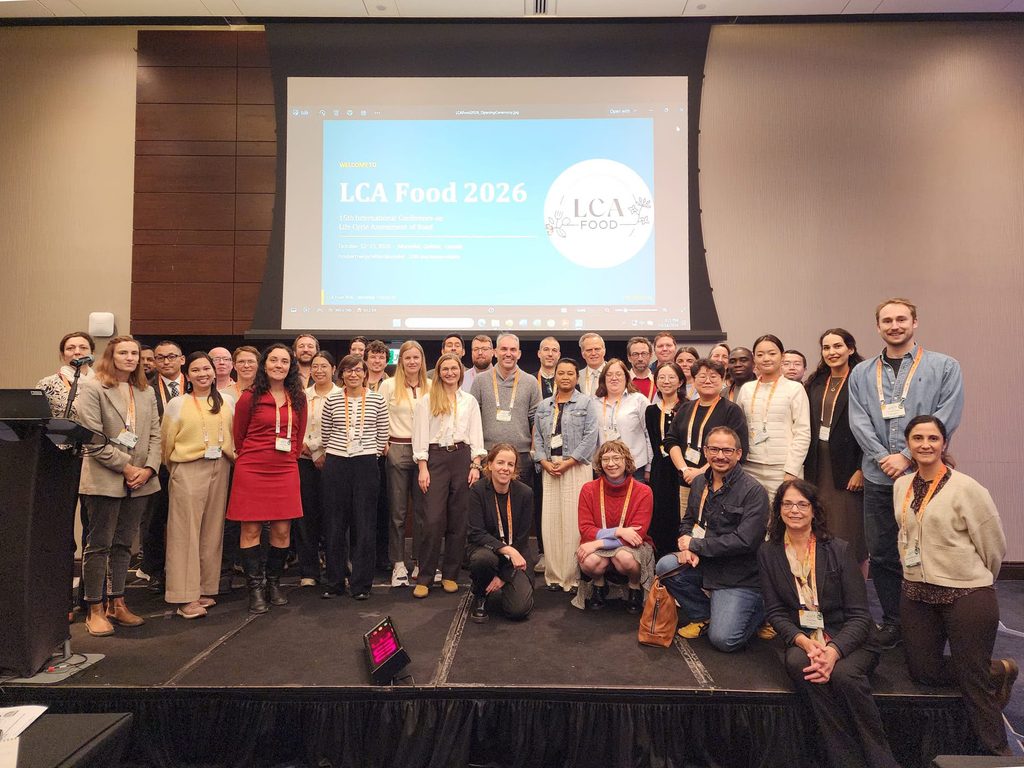
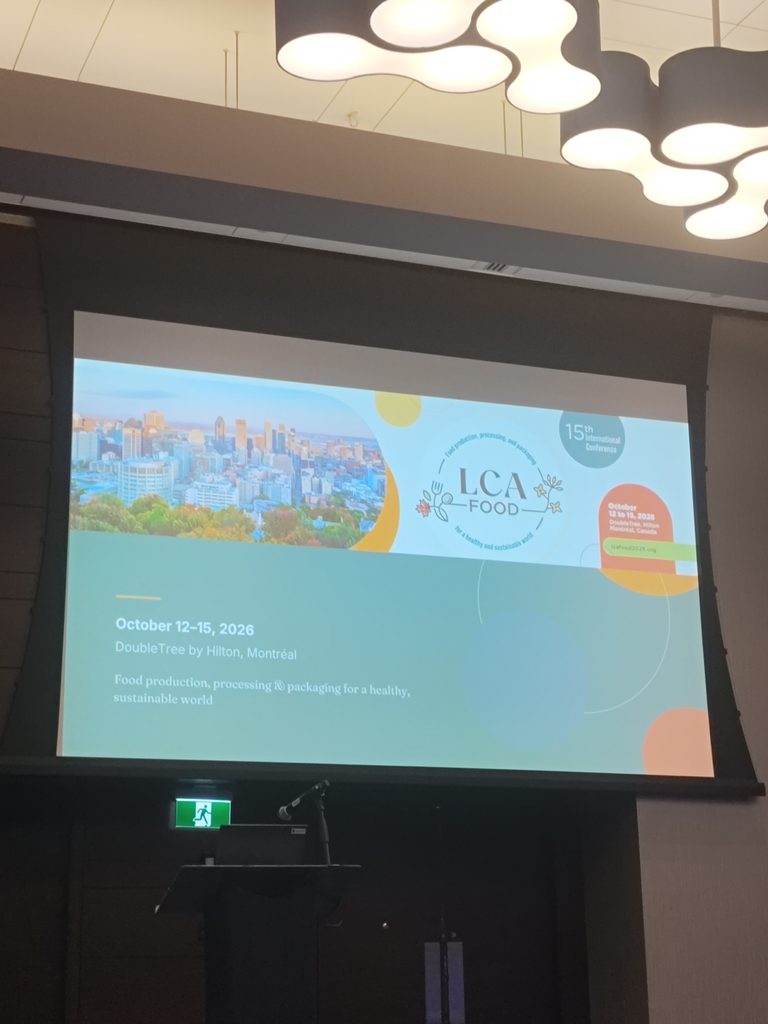
Throughout the event, participants discussed a wide range of topics, including methodological developments in Life Cycle Assessment (LCA), environmental footprint communication, sustainable food supply chains, circular economy, biodiversity assessment and emerging digital technologies.
Several sessions addressed topics closely aligned with SMART4SEA’s objectives, particularly the environmental sustainability of fisheries and aquaculture, the integration of digitalisation and artificial intelligence (AI) into LCA, and the assessment of plastic pollution in food systems. These discussions highlighted the importance of reliable environmental data, innovative assessment methodologies and comprehensive approaches to evaluating the sustainability of seafood value chains.
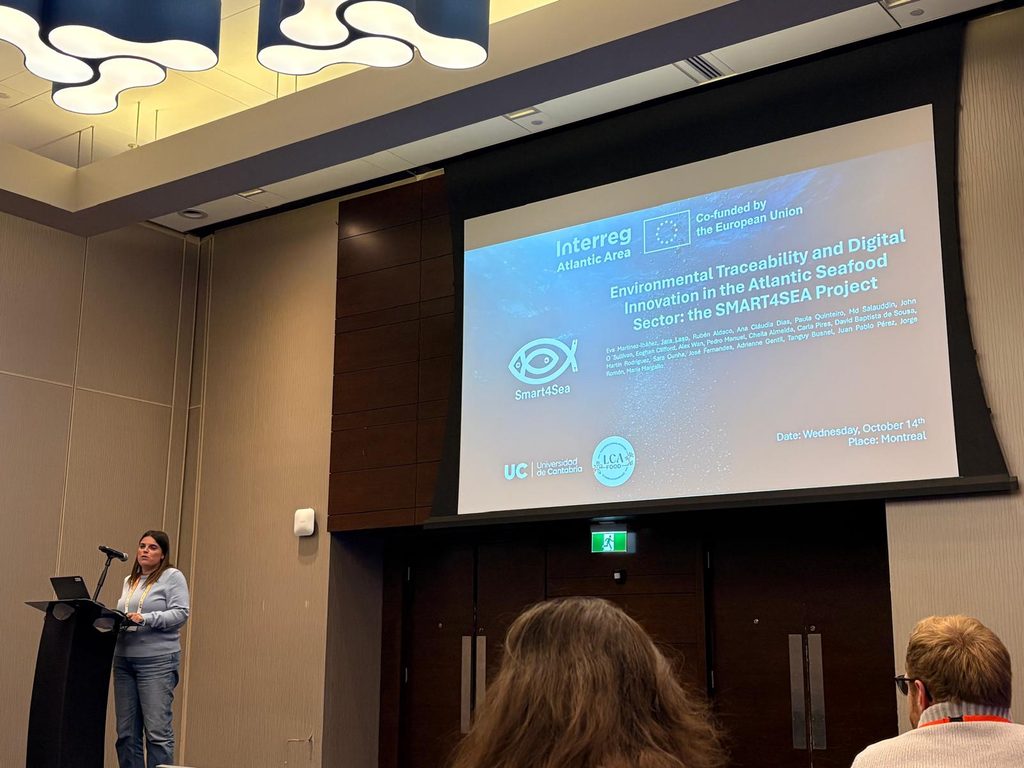
SMART4SEA was represented by Jara Laso, researcher at the University of Cantabria, who delivered an oral presentation entitled “Environmental Traceability and Digital Innovation in the Atlantic Seafood Sector: The SMART4SEA Project” on 14 October, within the session “Digitalization and AI in Food LCA”.
The presentation introduced the project’s approach to combining digital technologies, AI-based data processing and LCA methodologies to improve environmental traceability in the Atlantic seafood sector. It highlighted ongoing work to integrate operational data from fishing vessels into environmental assessment models, supporting the development of more dynamic and data-driven environmental evaluations.
In addition, the University of Cantabria participated in the pre-conference workshop “Operationalizing the Plastic Footprint in LCA”, held on 12 October in the framework of the MarILCA initiative. The workshop focused on methodological developments for incorporating plastic pollution into Life Cycle Assessment, a topic particularly relevant to SMART4SEA’s activities related to the assessment of plastic footprints in seafood value chains.
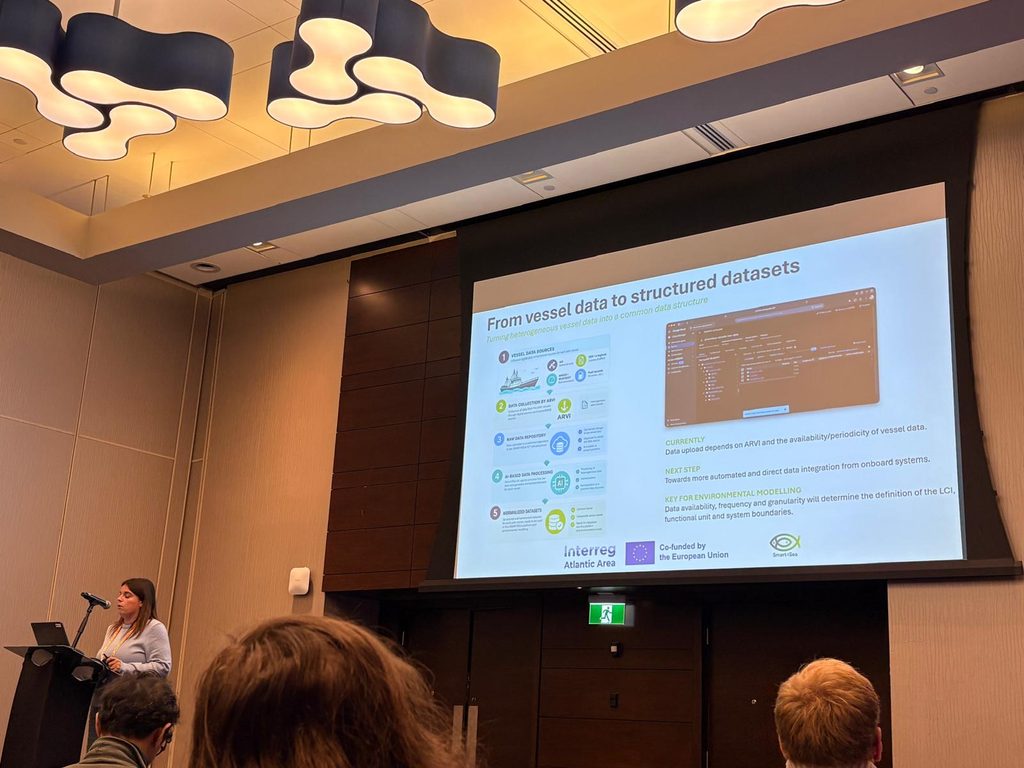
Beyond these activities, participation in scientific sessions on fisheries and aquaculture sustainability, digital innovation and plastic pollution provided valuable opportunities to explore recent research developments and exchange knowledge with the international LCA community.
Participation in LCAFOOD 2026 contributed to strengthening SMART4SEA’s international visibility and fostering knowledge exchange on innovative approaches to environmental assessment, supporting the project’s ambition to promote more transparent and environmentally sustainable seafood value chains.