Circular strategies to utilise seafood loss and waste
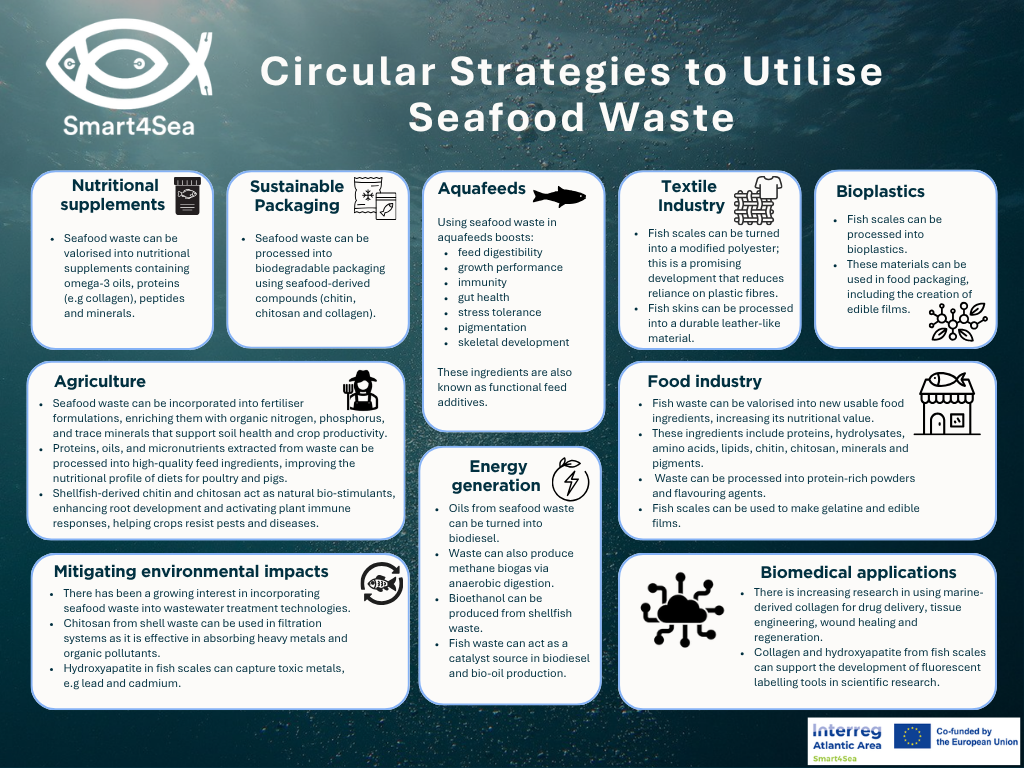
How much food waste is generated in Europe? Every year, over 58 million tonnes of food waste is generated across Europe. 53% of this waste is generated by households and…
University of Galway: research supporting a more sustainable and transparent seafood sector
The University of Galway’s Aquaculture and Nutrition Research Unit (ANRU) is involved in a range of research projects addressing key challenges facing the seafood sector, from environmental sustainability and climate…
Understanding the plastic footprint of seafood value chains
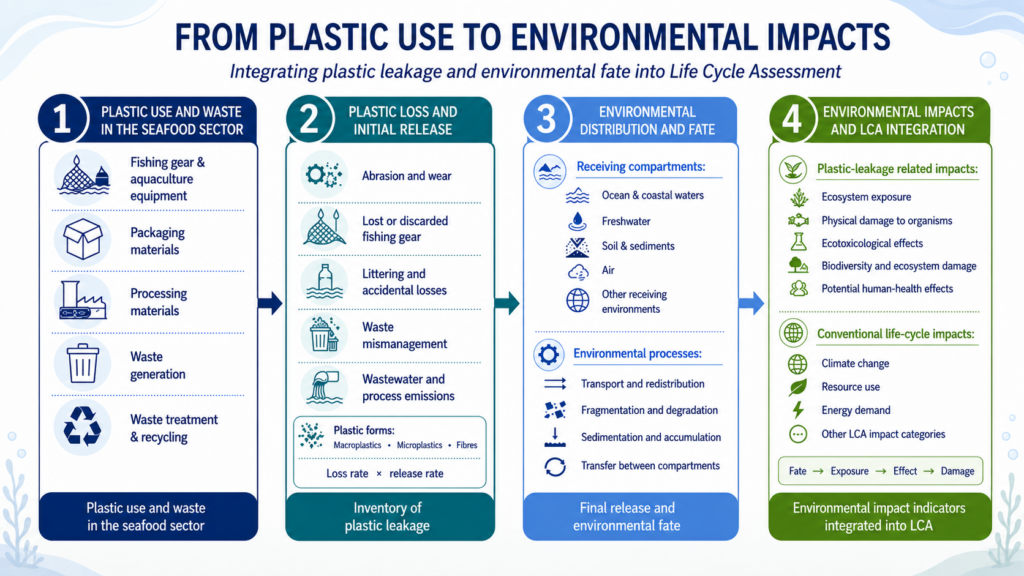
Plastic pollution is one of the major environmental challenges of our time. Understanding not only how much plastic is used, but also how it may be released into the environment…
Connecting data, sustainability and consumer trust in seafood
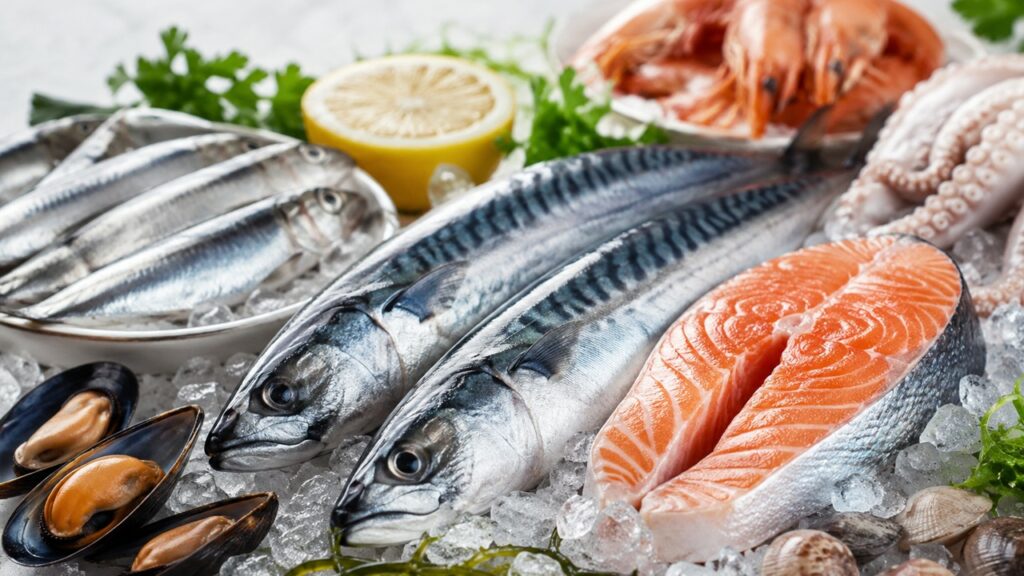
Did you know that seafood is one of the main natural sources of EPA and DHA, the long-chain omega-3 fatty acids?When talking about healthy diets, consumers often focus first on…
Understanding and reducing marine plastic pollution linked to seafood systems

Marine plastic pollution is a major environmental and socioeconomic issue, accounting for up to 85% of all marine litter. This pollution comes from both land- and ocean-based sources, with 10–20%…
Stakeholder and consumer perceptions of seafood sustainability, certification and traceability

There is growing consumption of food eaten outside the home, alongside a lack of transparency about seafood, which can discourage consumption and increase the risks of mislabelling or fraud. Consumers…
Rethinking seafood sustainability assessment through real-time data

Life Cycle Assessment (LCA) is a widely recognised methodology for evaluating the environmental impacts of a product, process, or service across its entire life cycle. Guided by ISO 14040 and…
Behind the Scenes: Optimising Microplastic Extraction at U.Porto

At the Faculty of Pharmacy of the University of Porto (FFUP), the Laboratory of Bromatology and Hydrology is making steady, behind-the-scenes progress in preparation for a key phase of the…
Western France at the Forefront of Digital Traceability for Seafood Products

Western France, with its major ports (Brest, Saint-Nazaire, Lorient) and dense maritime economy, is emerging as a hub for innovation in seafood traceability. In 2026, the region faces growing challenges:…
Tackling Marine Litter from Fisheries: ARVI participates in the NETTAG+ Final Event

The EU project NETTAG+ will hold its final event on the 14th and 15th of April in Vila do Conde and Póvoa de Varzim (Portugal) by organizing a Scientific Workshop…